Painting begins with attention, not image.
The surface leads, and the work follows.
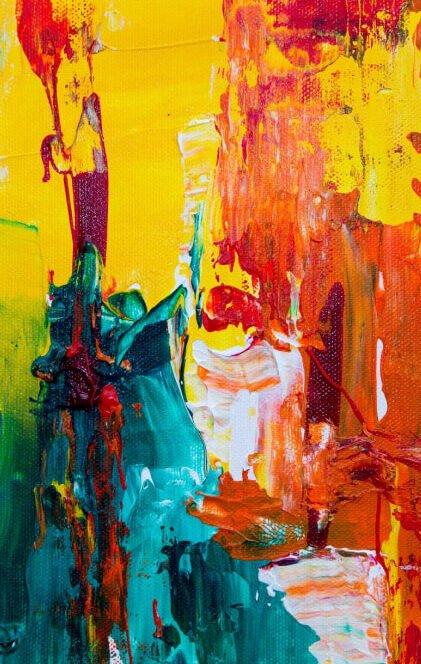
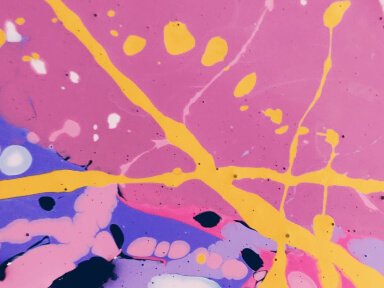
Rachid Benmaach works in non-figurative abstraction, using paint as a system of movement, interruption, and overload. His paintings are driven by velocity and accumulation, pushing abstraction toward instability rather than resolution. Lines operate like feedback loops—reactive, compressed, and continuously rerouted across the surface.
Composition is deliberately non-hierarchical, denying a single focal point and forcing perception to remain in motion. The work is experienced physically before it is understood, registering as pressure, tension, and saturation. Situated within emotional and process-based abstraction, Benmaach’s paintings are less about image than about what perception feels like when it is pushed beyond balance.
Benmaach does not begin with a subject or a composition in mind. Each painting develops through a process of action and response—layers are built, interrupted, and refined over time. Decisions remain visible. Nothing is concealed. The surface carries the memory of its own making.
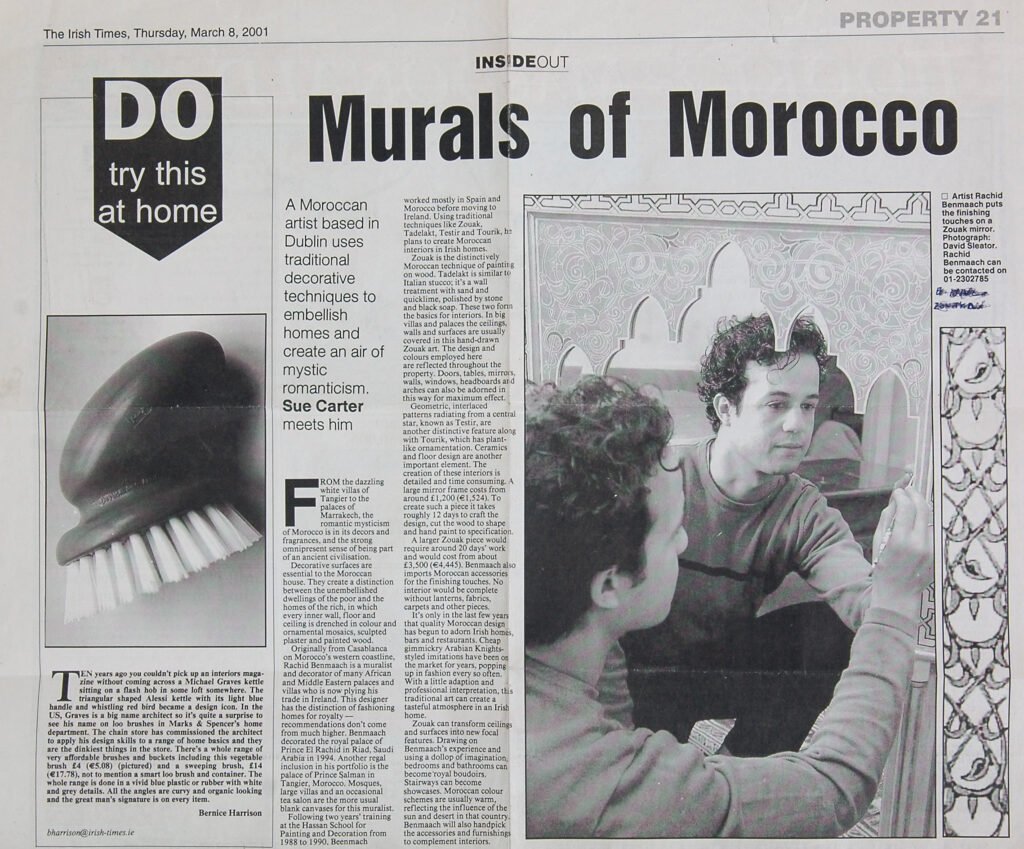
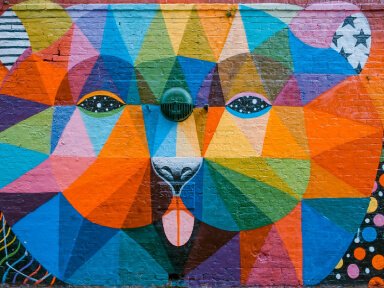
Decades of working directly on architectural surfaces have informed this approach. Experience gained from large-scale murals and site-specific commissions across Africa, the Middle East, and Europe has sharpened his sensitivity to balance, rhythm, and proportion. In the studio, this knowledge is translated into abstraction.
The work is resolved slowly. A painting is completed only when further intervention would weaken it. What remains is a surface that holds energy, restraint, and clarity in equal measure.